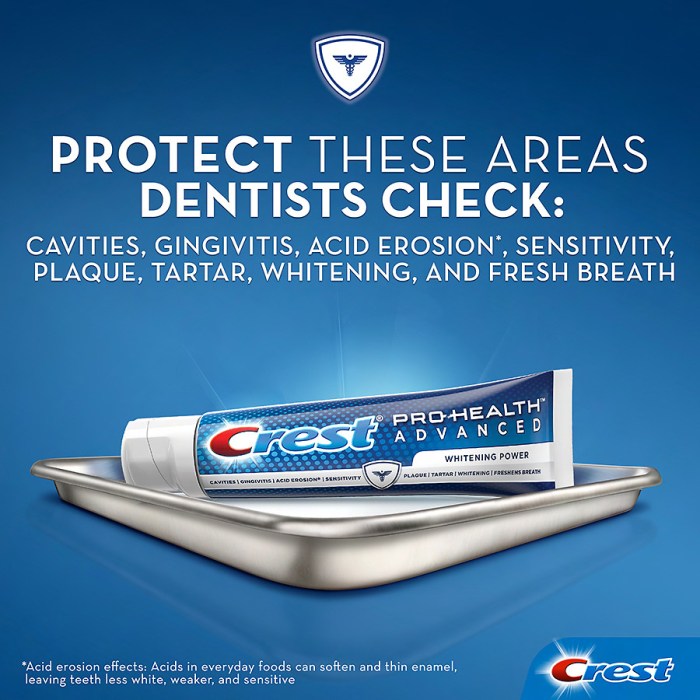
Best Toothpaste for Dental Health sets the stage for this enthralling narrative, offering readers a glimpse into a story that is rich in detail with casual formal language style and brimming with originality from the outset.
When it comes to maintaining optimal dental health, choosing the right toothpaste is key. From key ingredients to types of toothpaste, this guide covers all you need to know for a healthy smile.
Best Toothpaste for Dental Health
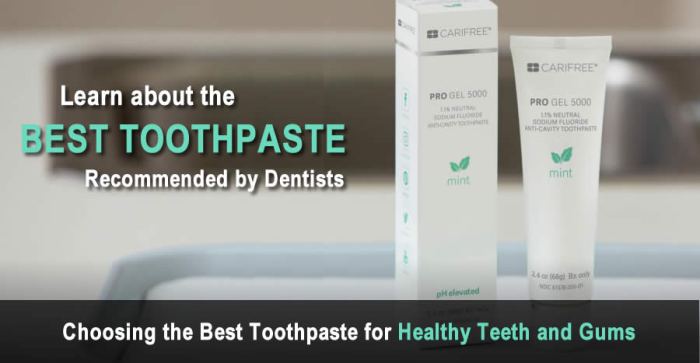
When it comes to choosing the best toothpaste for optimal dental health, it’s important to consider the key ingredients that play a crucial role in maintaining healthy teeth and gums.
Key Ingredients for Dental Health
- Fluoride: One of the most important ingredients to look for in toothpaste is fluoride. Fluoride helps to strengthen tooth enamel, making it more resistant to decay and cavities.
- Xylitol: Xylitol is a natural sugar substitute that helps to prevent the growth of harmful bacteria in the mouth, reducing the risk of cavities.
- Calcium Phosphate: This ingredient helps to remineralize tooth enamel, repairing any damage caused by acids and preventing tooth decay.
- Potassium Nitrate: Potassium nitrate is often found in toothpaste for sensitive teeth, as it helps to desensitize nerve endings in the teeth, reducing pain and discomfort.
Importance of Fluoride
Fluoride is a key ingredient in toothpaste due to its ability to strengthen tooth enamel and prevent decay. It helps to remineralize the teeth, making them more resistant to acid attacks from bacteria in the mouth. Regular use of fluoride toothpaste can significantly reduce the risk of cavities and maintain overall dental health.
Comparison of Toothpaste Types
- Whitening Toothpaste: While whitening toothpaste can help remove surface stains and improve the appearance of teeth, they may not always contain sufficient fluoride for optimal dental health.
- Sensitive Toothpaste: Toothpaste designed for sensitive teeth often contain ingredients like potassium nitrate to alleviate pain, but may not provide the same level of cavity protection as fluoride toothpaste.
- Natural Toothpaste: Natural toothpaste may lack fluoride, which is essential for preventing cavities. While they may be free of certain chemicals, it’s important to ensure they still contain effective ingredients for dental health.
Factors Affecting Dental Health
Various factors play a crucial role in determining the overall dental health of an individual. Let’s explore some of the key factors that can impact dental health.
Diet and Nutrition Impact
What we eat directly affects our oral health. Consuming sugary and acidic foods can lead to tooth decay and cavities. On the other hand, a balanced diet rich in vitamins and minerals can help strengthen teeth and gums.
Role of Regular Brushing and Flossing
Regular brushing and flossing are essential for maintaining optimal dental health. Brushing helps remove plaque and bacteria from the teeth, while flossing helps clean the areas between the teeth that are hard to reach with a toothbrush.
Common Habits to Avoid
There are certain habits that can negatively impact dental health. These include smoking, excessive consumption of sugary beverages, and using teeth as tools for tasks like opening bottles. To maintain good dental health, it’s important to avoid these habits and adopt a regular oral hygiene routine.
Choosing the Right Toothbrush
When it comes to promoting dental health, choosing the right toothbrush is crucial. The features of an ideal toothbrush should cater to the specific needs of your teeth and gums, ensuring effective cleaning and overall oral hygiene.
Ideal Toothbrush Features
- Soft bristles: Gentle on the gums and enamel to prevent damage.
- Comfortable grip: Allows for proper handling and control during brushing.
- Proper size and shape: Fits comfortably in your mouth to reach all areas.
- ADA Seal of Approval: Ensures the toothbrush meets safety and effectiveness standards.
Manual vs. Electric Toothbrushes
Both manual and electric toothbrushes can be effective in maintaining dental health, but there are differences to consider:
- Manual Toothbrushes: Affordable, portable, and come in various bristle types. Requires proper technique for effective cleaning.
- Electric Toothbrushes: Powered for more consistent and thorough cleaning. Some models have timers and pressure sensors for optimal brushing.
Importance of Replacing Toothbrushes
Regularly replacing your toothbrush is essential for maintaining dental health:
- Every 3-4 months or sooner if bristles are frayed or worn out.
- After recovering from an illness to prevent reinfection.
- When switching to a new toothbrush after dental procedures or treatments.
In conclusion, finding the best toothpaste for your dental health needs can make a significant impact on your overall oral care routine. By understanding the importance of ingredients and types of toothpaste, you can make an informed choice to keep your smile bright and healthy.
FAQ Resource
What are the key ingredients to look for in toothpaste?
Look for ingredients like fluoride, baking soda, and hydrogen peroxide for optimal dental health.
How does fluoride contribute to dental health?
Fluoride helps strengthen tooth enamel, making it more resistant to decay and cavities.
What is the importance of replacing toothbrushes regularly?
Regularly replacing toothbrushes every 3-4 months helps maintain good dental hygiene and prevents bacterial build-up on the bristles.