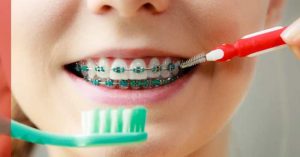
Dental Care for Sensitive Teeth sets the stage for this enthralling narrative, offering readers a glimpse into a story that is rich in detail with casual formal language style and brimming with originality from the outset.
Sensitive teeth can be a real pain, quite literally. From identifying the causes to exploring preventive measures and treatment options, this guide covers all you need to know to keep your pearly whites healthy and happy.
Overview of Dental Care for Sensitive Teeth
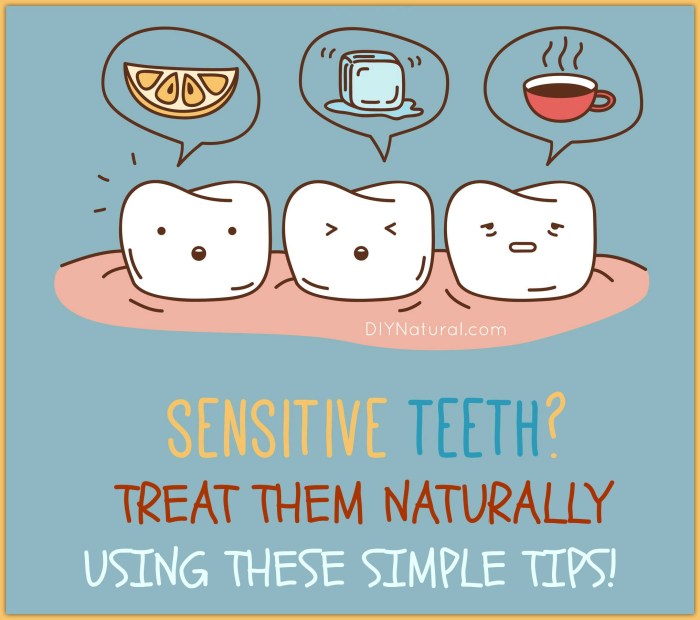
Sensitive teeth can cause discomfort or pain when exposed to hot, cold, sweet, or acidic foods and drinks. Common causes of sensitive teeth include enamel erosion, gum recession, and tooth decay.
The Importance of Specialized Dental Care
It is crucial to seek specialized dental care for sensitive teeth to address the underlying issues causing sensitivity. A dentist can provide treatments to help alleviate pain and prevent further damage to the teeth.
Identifying Sensitive Teeth
If you experience sudden, sharp pain when consuming hot, cold, sweet, or acidic foods, you may have sensitive teeth. Sensitivity to cold air or brushing your teeth may also indicate sensitive teeth.
Preventive Measures for Sensitive Teeth
Preventing tooth sensitivity is crucial for maintaining oral health and comfort. By following these tips and incorporating fluoride into your dental care routine, you can help reduce sensitivity and protect your teeth.
Role of Fluoride in Dental Care for Sensitive Teeth
Fluoride plays a key role in strengthening tooth enamel and reducing the risk of tooth decay. For individuals with sensitive teeth, using fluoride toothpaste or mouthwash can help remineralize enamel and decrease sensitivity over time. Dentists may also recommend professional fluoride treatments to provide extra protection against sensitivity.
Proper Oral Hygiene Routine to Reduce Sensitivity
- Brush your teeth gently with a soft-bristled toothbrush to avoid further enamel erosion.
- Use desensitizing toothpaste containing potassium nitrate or strontium chloride to help block nerve signals that cause sensitivity.
- Floss regularly to remove plaque and prevent gum disease, which can contribute to tooth sensitivity.
- Avoid acidic foods and drinks that can wear down enamel, such as citrus fruits, sodas, and coffee.
- Visit your dentist for regular check-ups and cleanings to address any dental issues early on and maintain optimal oral health.
Treatment Options for Sensitive Teeth
When it comes to treating sensitive teeth, there are various options available to help alleviate discomfort and improve oral health.
Over-the-Counter Products
Over-the-counter products like desensitizing toothpaste and fluoride mouthwash are commonly used to help reduce tooth sensitivity. These products work by blocking the nerve signals that cause pain and strengthening the enamel to protect against sensitivity.
Professional Treatments
For more severe cases of tooth sensitivity, your dentist may recommend professional treatments such as:
- Desensitizing Agents: These are applied directly to the sensitive areas of the teeth to help block pain signals and reduce sensitivity.
- Dental Procedures: In some cases, dental procedures like bonding, fluoride varnish, or a root canal may be recommended to address the underlying causes of tooth sensitivity.
Lifestyle and Dietary Changes
Living with sensitive teeth may require some adjustments to your lifestyle and diet to help manage the discomfort. Making simple changes can make a big difference in reducing tooth sensitivity and improving overall oral health.
Impact of Diet on Tooth Sensitivity
What you eat and drink can have a significant impact on tooth sensitivity. Acidic foods and beverages can wear down the enamel on your teeth, exposing the sensitive dentin underneath. Sugary and sticky foods can also contribute to tooth decay, which can worsen sensitivity.
It’s important to maintain a balanced diet rich in calcium, phosphorus, and vitamin D to keep your teeth strong and healthy. Drinking plenty of water and avoiding excessive consumption of acidic or sugary foods can help protect your enamel and reduce tooth sensitivity.
Habits to Avoid
There are certain habits that can exacerbate tooth sensitivity and should be avoided. These include:
- Brushing too hard or using a hard-bristled toothbrush, which can wear down enamel
- Grinding or clenching your teeth, which can cause enamel erosion
- Using tobacco products, which can lead to gum recession and sensitivity
- Consuming excessive amounts of acidic or sugary foods and drinks
By making simple changes to your diet and avoiding harmful habits, you can effectively manage tooth sensitivity and improve your overall oral health.
In conclusion, caring for sensitive teeth is essential for maintaining oral health and overall well-being. By following the tips and treatments Artikeld here, you can smile confidently knowing you’re taking the best possible care of your sensitive teeth.
FAQ Overview
What are the common causes of sensitive teeth?
Sensitive teeth can be caused by factors such as enamel erosion, gum recession, or tooth decay.
How can fluoride help with sensitive teeth?
Fluoride strengthens enamel and can help reduce tooth sensitivity by protecting the teeth from decay.
Are there lifestyle changes that can help manage sensitive teeth?
Yes, avoiding acidic foods and drinks, using a soft-bristled toothbrush, and wearing a night guard can all help manage sensitive teeth.