
With Dental Care for Pregnant Women at the forefront, this paragraph opens a window to an amazing start and intrigue, inviting readers to embark on a storytelling casual formal language style filled with unexpected twists and insights.
Pregnancy is a special time filled with excitement and anticipation, but it’s also crucial to prioritize dental care during this period to ensure the well-being of both the mother and the baby. Hormonal changes and other factors can impact oral health, making it essential to understand common dental issues, safe procedures, and nutritional tips for maintaining good oral hygiene during pregnancy.
Let’s explore the important aspects of dental care for pregnant women in more detail.
Importance of Dental Care During Pregnancy
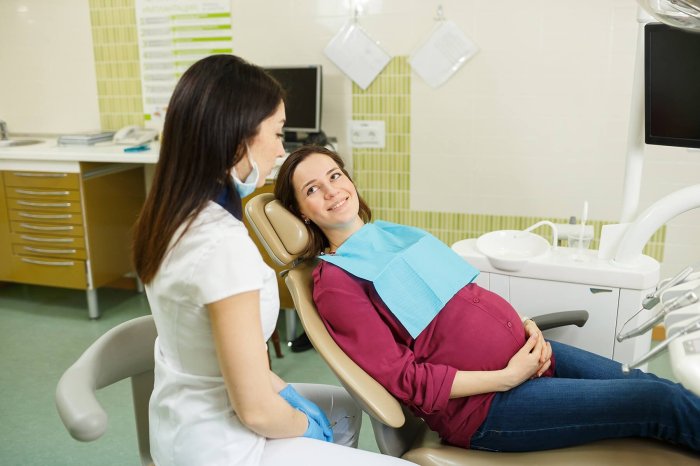
Proper dental care is essential for pregnant women to maintain their overall health and well-being.
Impact of Hormonal Changes
During pregnancy, hormonal changes can increase the risk of developing gum disease, also known as pregnancy gingivitis. This condition can lead to swollen, tender gums that are more prone to bleeding.
Risks of Poor Dental Hygiene
-
Untreated gum disease during pregnancy may increase the risk of preterm birth or low birth weight.
- Poor oral health can also contribute to other pregnancy complications such as gestational diabetes.
- Regular dental check-ups and cleanings are crucial to prevent these risks and maintain good oral health.
Common Dental Issues During Pregnancy
Pregnancy can bring about changes in a woman’s body, including her oral health. It is important to be aware of the common dental issues that pregnant women may face to ensure proper care and prevention.
Increased Risk of Gum Disease
During pregnancy, hormonal changes can make gums more sensitive to plaque, leading to a higher risk of gum disease. This condition, known as pregnancy gingivitis, can cause redness, swelling, and tenderness in the gums.
- It is essential for pregnant women to maintain good oral hygiene practices, such as regular brushing and flossing, to prevent gum disease.
- Visiting the dentist for routine cleanings and check-ups is crucial to address any signs of gum disease early on.
Exacerbation of Existing Dental Conditions
Pregnancy can exacerbate existing dental issues, such as cavities or gum disease. The changes in hormone levels and dietary habits during pregnancy can worsen these conditions if not properly managed.
- Pregnant women should inform their dentist about their pregnancy and any existing dental problems to receive appropriate treatment and guidance.
- Developing a customized dental care plan with the dentist can help prevent the worsening of existing dental conditions during pregnancy.
Impact of Morning Sickness on Oral Health
Morning sickness, a common symptom during pregnancy, can have a significant impact on oral health. The stomach acids that come into contact with teeth when vomiting can weaken the enamel and increase the risk of tooth decay.
- Rinsing the mouth with water or a fluoride mouthwash after vomiting can help neutralize the acids and protect the teeth from damage.
- Avoiding brushing immediately after vomiting, as the abrasive action of toothpaste on weakened enamel can cause further harm. Instead, wait for about 30 minutes before brushing.
Safe Dental Procedures for Pregnant Women
During pregnancy, it is essential to consider safe dental procedures to ensure the health of both the mother and the baby. Let’s explore the dental treatments that are considered safe for pregnant women, precautions dentists should take, and tips for managing dental pain during pregnancy.
Safe Dental Treatments During Pregnancy
- Regular dental cleanings: Routine cleanings are safe and important during pregnancy to prevent gum disease and maintain oral health.
- X-rays with proper shielding: Dental X-rays can be done with appropriate shielding to minimize radiation exposure to the fetus.
- Local anesthesia: Local anesthesia can be used during dental procedures to numb the area being treated without harming the baby.
- Emergency dental procedures: Necessary dental treatments for emergencies such as tooth extraction or root canal can be performed safely during pregnancy.
Precautions for Dentists Treating Pregnant Patients
- Consultation with obstetrician: Dentists should consult with the patient’s obstetrician to ensure the safety of dental procedures during pregnancy.
- Avoid certain medications: Dentists should avoid prescribing certain medications, especially during the first trimester, and opt for alternatives that are safe for pregnant women.
- Positioning: Dentists should adjust the patient’s position during treatment to prevent discomfort and ensure proper blood flow to the fetus.
Tips for Managing Dental Pain During Pregnancy
- Practice good oral hygiene: Brushing and flossing regularly can help prevent dental issues that may cause pain during pregnancy.
- Use a soft toothbrush: Switching to a soft-bristled toothbrush can help prevent gum irritation and sensitivity during pregnancy.
- Rinse with saltwater: Gargling with warm salt water can help reduce inflammation and alleviate pain in the gums.
- Apply cold compress: Using a cold compress on the outside of the cheek can help numb the area and reduce pain temporarily.
Nutritional Tips for Oral Health During Pregnancy
Maintaining a nutritious diet is crucial for overall health during pregnancy, including dental care. Here are some foods that promote good oral health and the importance of specific nutrients for healthy teeth and gums.
Foods that Promote Good Oral Health
- Crunchy fruits and vegetables like apples and carrots can help clean teeth and stimulate saliva production, which neutralizes acids in the mouth.
- Dairy products such as milk, cheese, and yogurt are rich in calcium and phosphorus, essential minerals for strong teeth and bones.
- Lean proteins like poultry, fish, and eggs provide protein and important nutrients like vitamin D, which is crucial for oral health.
- Whole grains like brown rice and quinoa contain B vitamins and iron, which promote gum health and overall oral health.
Importance of Maintaining a Balanced Diet
A balanced diet during pregnancy is essential for both the health of the mother and the baby. Nutrient-rich foods support the development of the baby’s teeth and bones while also helping to prevent dental issues for the mother.
Specific Nutrients for Healthy Teeth and Gums
- Calcium: Found in dairy products and leafy greens, calcium is vital for strong teeth and bones.
- Vitamin C: Citrus fruits, strawberries, and bell peppers are rich in vitamin C, which helps prevent gum disease and supports healing.
- Vitamin D: Fatty fish, fortified foods, and sunlight exposure can provide vitamin D, important for calcium absorption and dental health.
- Iron: Beans, lentils, and spinach are sources of iron, which helps prevent tongue inflammation and mouth sores.
In conclusion, maintaining proper dental care during pregnancy is vital for overall health and well-being. By following the tips and guidelines discussed above, pregnant women can ensure a healthy smile for themselves and their babies. Remember, a healthy mouth contributes to a healthy body, so prioritize your dental health throughout this special journey.
Question & Answer Hub
Can I undergo dental X-rays during pregnancy?
It’s generally recommended to avoid dental X-rays during pregnancy unless absolutely necessary. Your dentist will take precautions to minimize any potential risks.
How can I deal with pregnancy-related gum issues?
Maintaining good oral hygiene practices, such as regular brushing and flossing, along with visiting your dentist for cleanings, can help manage gum problems during pregnancy.
Are teeth cleanings safe during pregnancy?
Yes, routine teeth cleanings are safe during pregnancy and are important for preventing dental issues that can arise due to hormonal changes.


