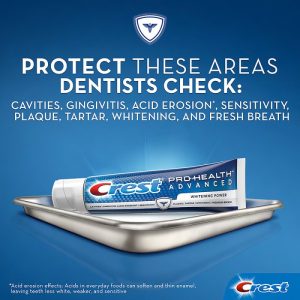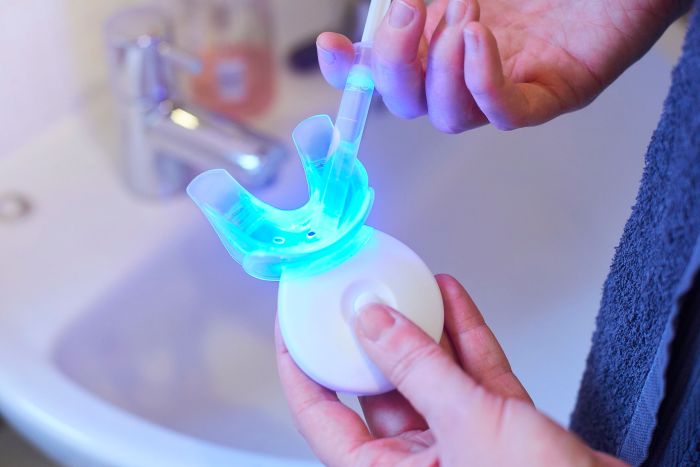
Kicking off with Dental Care Products for Whitening, this opening paragraph is designed to captivate and engage the readers, providing an interesting overview of the importance of maintaining oral hygiene through various whitening products. From toothpaste to mouthwashes and whitening strips, these products offer effective solutions for achieving a brighter smile.
Dental Care
Proper dental care is essential for maintaining overall health and well-being. It is not just about having a bright smile; it also plays a crucial role in preventing various health issues.
Common Dental Care Practices
- Brushing teeth at least twice a day with fluoride toothpaste to remove plaque and prevent cavities.
- Flossing daily to remove food particles stuck between teeth and prevent gum disease.
- Using mouthwash to kill bacteria and freshen breath.
- Eating a balanced diet low in sugary and acidic foods to maintain healthy teeth and gums.
- Avoiding tobacco products that can lead to oral cancer and other dental problems.
Benefits of Regular Dental Check-ups and Cleanings
- Early detection of dental issues such as cavities, gum disease, and oral cancer.
- Professional cleaning to remove plaque and tartar buildup that cannot be removed by regular brushing.
- Prevention of tooth loss and other serious dental problems through timely interventions.
- Improvement in overall oral health and hygiene, leading to a confident smile.
Dental Care Products for Whitening
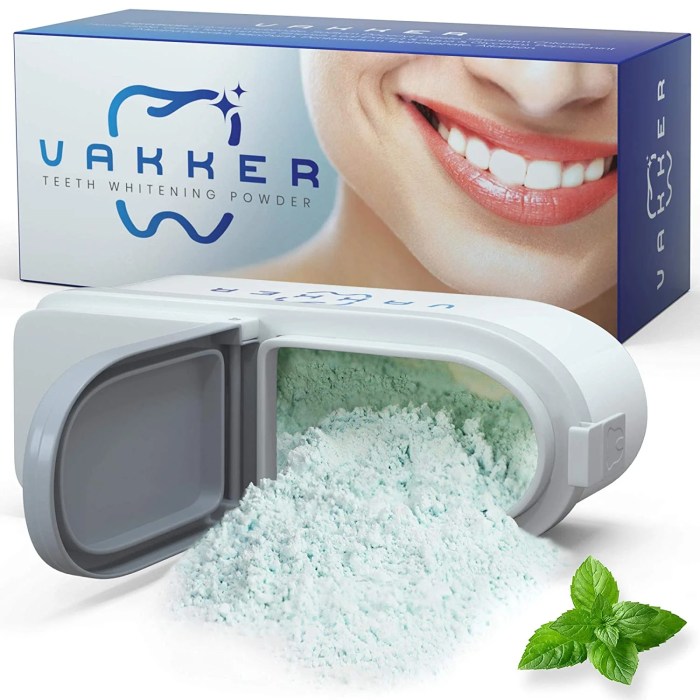
When it comes to whitening teeth, there are several popular dental care products that people often turn to. These products can range from at-home whitening kits to professional treatments offered by dentists.
Popular Dental Care Products for Whitening
- Whitening Toothpaste: This type of toothpaste contains mild abrasives or chemicals that help remove surface stains on teeth.
- Whitening Strips: These thin, flexible strips are coated with a whitening gel and are applied directly to the teeth for a certain amount of time.
- Whitening Gels: These gels are applied to the teeth using a small brush or tray, allowing the whitening agent to penetrate the enamel.
- Whitening Mouthwashes: These mouthwashes often contain hydrogen peroxide or other whitening agents to help brighten teeth.
Ingredients in Whitening Products and Their Effects
Common ingredients found in whitening products include:
- Hydrogen Peroxide: This bleaching agent helps to break down stains on the teeth, resulting in a whiter appearance.
- Carbamide Peroxide: Similar to hydrogen peroxide, carbamide peroxide also helps to whiten teeth by breaking down stains.
- Baking Soda: Known for its mild abrasive properties, baking soda can help scrub away surface stains on teeth.
Comparison of At-Home Whitening Kits and Professional Treatments
While at-home whitening kits are convenient and cost-effective, they may not be as effective as professional treatments offered by dentists. Professional treatments often use higher concentrations of whitening agents and can provide quicker, more noticeable results. However, at-home kits can still be effective for mild to moderate staining and offer a more budget-friendly option for those looking to brighten their smile.
Toothpaste for Whitening
When it comes to whitening toothpaste, understanding how it works to remove stains is essential for achieving a brighter smile.
Key Ingredients for Effective Whitening
- Hydrogen Peroxide: This ingredient helps to break down stains on the enamel surface, resulting in a whiter appearance.
- Baking Soda: Known for its mild abrasive properties, baking soda can gently scrub away surface stains on teeth.
- Fluoride: While not a direct whitening agent, fluoride helps strengthen enamel and prevent future staining.
- Potassium Nitrate: This ingredient can help reduce tooth sensitivity often associated with whitening products.
Tips to Maximize Effectiveness
- Brush Regularly: Consistent use of whitening toothpaste is key to seeing results. Brush at least twice a day for best outcomes.
- Use Proper Technique: Ensure you are brushing all surfaces of your teeth and spending an adequate amount of time on each brushing session.
- Avoid Staining Foods: Limit consumption of coffee, tea, red wine, and other foods known to cause stains to maintain whitening results.
- Consider Professional Cleaning: Regular visits to the dentist for professional cleanings can complement the effects of whitening toothpaste.
Whitening Mouthwashes
Whitening mouthwashes play a crucial role in maintaining oral hygiene and achieving a brighter smile. These products are specifically designed to help remove surface stains and whiten teeth while freshening breath.
How Whitening Mouthwashes Differ from Regular Mouthwashes
- Whitening mouthwashes contain special ingredients such as hydrogen peroxide or carbamide peroxide that help to whiten teeth over time.
- Regular mouthwashes focus more on freshening breath and killing bacteria, without the whitening benefits.
- Whitening mouthwashes are often more abrasive to help scrub away stains, while regular mouthwashes may be gentler on the teeth and gums.
Choosing the Right Whitening Mouthwash
- Look for whitening mouthwashes that are ADA-approved to ensure they are safe and effective.
- Consider the ingredients – hydrogen peroxide is a common whitening agent, but some people may be sensitive to it.
- Read reviews and ask your dentist for recommendations to find a whitening mouthwash that suits your needs and preferences.
Whitening Strips and Gels
When it comes to achieving a brighter smile, whitening strips and gels are popular options that many people turn to. These products offer a convenient way to whiten teeth at home without the need for professional treatments.
Application Process and Timeline
Whitening strips are thin, flexible pieces of plastic coated with a whitening gel that is applied directly to the teeth. The strips are usually worn for 30 minutes to an hour each day, over a period of 7 to 14 days. On the other hand, whitening gels are applied using a small brush or applicator directly onto the teeth and left on for a specified amount of time, usually overnight or for a few hours.
Effectiveness Comparison
Whitening strips are generally more user-friendly and easier to apply compared to whitening gels. However, whitening gels may be more effective in reaching and whitening difficult-to-reach areas of the teeth. The choice between the two ultimately depends on personal preference and the desired level of whitening results.
Potential Side Effects and Precautions
While whitening strips and gels can be effective in brightening your smile, they may also come with some potential side effects. These can include tooth sensitivity, gum irritation, or uneven whitening results. It is important to follow the instructions provided with the product carefully and avoid overuse to minimize the risk of side effects. Additionally, consulting with a dentist before using these products can help determine if they are suitable for your dental health needs.
In conclusion, exploring the world of Dental Care Products for Whitening unveils a range of options to enhance oral health and aesthetics. Whether opting for at-home kits or professional treatments, the key lies in consistent care and wise product choices to achieve that radiant smile.
Query Resolution
What are the potential side effects of whitening strips and gels?
Common side effects may include tooth sensitivity and gum irritation, which usually subside after discontinuing use.
How do whitening mouthwashes differ from regular mouthwashes?
Whitening mouthwashes typically contain additional whitening agents like hydrogen peroxide to help brighten teeth over time.
What key ingredients should I look for in whitening toothpaste?
Look for ingredients like baking soda, hydrogen peroxide, and fluoride, known for their whitening and protective properties.