Embark on a journey to discover the best dental care tips that will help you maintain optimal oral health and overall well-being. From brushing techniques to dietary choices, this comprehensive guide covers it all.
Learn how to enhance your dental care routine and make informed decisions for a healthier smile and body.
DENTAL CARE
Proper dental care is essential for maintaining overall health and well-being. Neglecting oral hygiene can lead to various dental problems that can affect not only your teeth and gums but also your systemic health.
Common Dental Problems
Some common dental problems that can be prevented with proper care include:
- Tooth decay: Caused by plaque buildup and can lead to cavities.
- Gum disease: Inflammation of the gums, which can progress to periodontitis if left untreated.
- Bad breath: Resulting from poor oral hygiene and bacteria buildup in the mouth.
- Tooth sensitivity: Experiencing pain or discomfort when consuming hot or cold foods/drinks.
Connection Between Oral Health and Systemic Health
Research has shown a strong link between oral health and systemic health. Poor oral hygiene can contribute to various health conditions such as heart disease, diabetes, and respiratory infections. Taking care of your teeth and gums can help prevent these issues and maintain overall health.
Tips for Maintaining Good Oral Hygiene
- Brush your teeth at least twice a day with fluoride toothpaste.
- Floss daily to remove plaque and food particles between your teeth.
- Use mouthwash to kill bacteria and freshen your breath.
- Visit your dentist regularly for check-ups and professional cleanings.
- Limit sugary and acidic foods/drinks to prevent tooth decay.
Best Dental Care Tips
Proper dental care is essential for maintaining healthy teeth and gums. Here are some of the best dental care tips to help you achieve optimal oral hygiene:
Effective Brushing Techniques
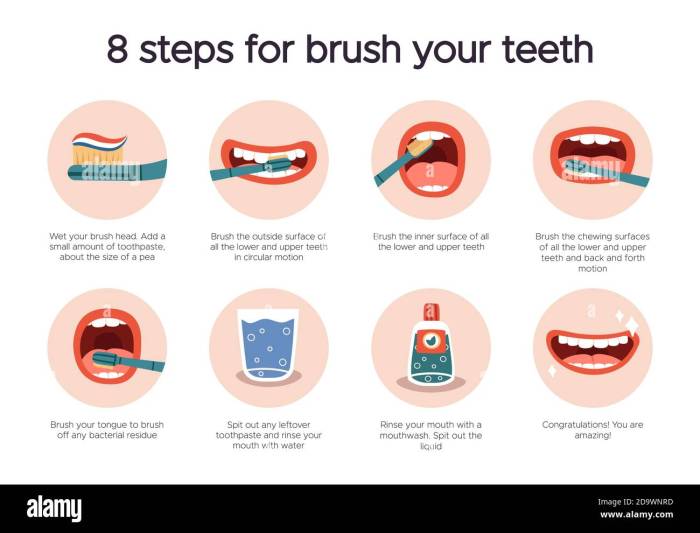
Brushing your teeth at least twice a day using the right technique is crucial for removing plaque and preventing cavities. Follow these tips for effective brushing:
- Use a soft-bristled toothbrush to avoid damaging your gums.
- Brush in gentle, circular motions to clean all surfaces of your teeth.
- Be sure to brush for at least two minutes each time to ensure thorough cleaning.
Importance of Flossing
Flossing plays a vital role in removing food particles and plaque from areas that your toothbrush cannot reach. Make flossing a part of your daily dental care routine to prevent gum disease and cavities.
Benefits of Using Mouthwash
Incorporating mouthwash into your oral hygiene routine can help kill bacteria, freshen breath, and reduce the risk of gum disease. Choose an alcohol-free mouthwash for a gentle and effective clean.
Choosing the Right Toothbrush and Toothpaste
When selecting a toothbrush, opt for one with soft bristles and a comfortable grip to ensure proper cleaning without harming your gums. Additionally, choose toothpaste with fluoride to strengthen tooth enamel and protect against decay.
Healthy Eating Habits for Dental Health
Eating habits play a significant role in maintaining good dental health. A balanced diet not only benefits your overall health but also contributes to the well-being of your teeth and gums.
Diet’s Impact on Dental Health
A diet rich in nutrients like calcium, phosphorus, and vitamin C can help strengthen teeth and gums. These nutrients promote healthy tooth enamel and support gum tissue health.
- Calcium-rich foods: Dairy products, leafy greens, and almonds are excellent sources of calcium, essential for strong teeth.
- Phosphorus-rich foods: Meats, eggs, nuts, and beans contain phosphorus, which helps in the absorption of calcium for tooth strength.
- Vitamin C-rich foods: Citrus fruits, strawberries, and bell peppers are high in vitamin C, which is crucial for healthy gums.
Impact of Sugary Foods and Drinks
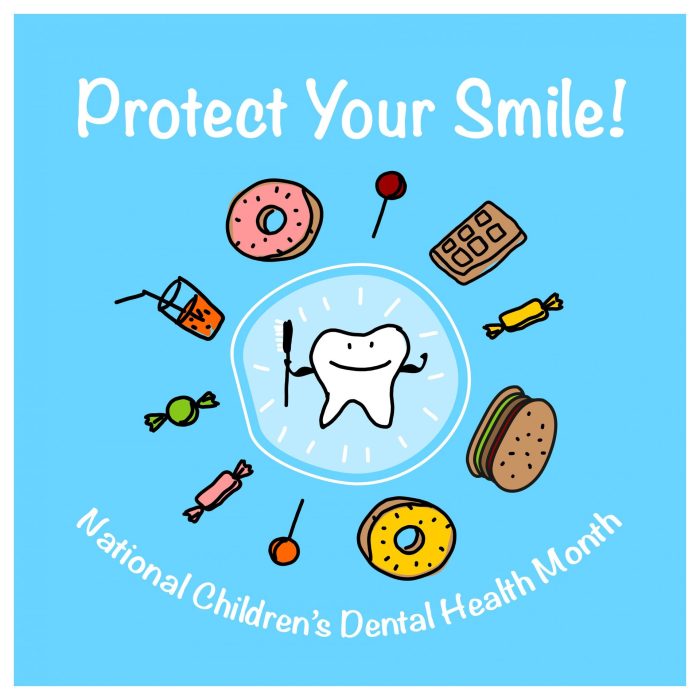
Sugary foods and beverages can lead to tooth decay and cavities as the sugars feed harmful bacteria in the mouth. This process produces acids that erode tooth enamel, causing dental issues over time.
- Avoid excessive consumption of candies, cakes, sodas, and other sugary treats to prevent tooth decay.
- Limit sugary snacks to mealtimes rather than grazing throughout the day to reduce acid exposure to teeth.
Tips for Maintaining a Tooth-Friendly Diet
Maintaining a tooth-friendly diet involves making smart choices and practicing good eating habits to protect your dental health.
- Drink plenty of water throughout the day to rinse away food particles and maintain saliva production, which helps neutralize acids in the mouth.
- Include crunchy fruits and vegetables like apples, carrots, and celery in your diet, as they can help clean teeth and stimulate saliva production.
- Avoid snacking on sugary or starchy foods between meals and opt for healthier alternatives like nuts, cheese, or yogurt.
Regular Dental Check-ups
Regular dental check-ups are essential for maintaining good oral health and preventing dental problems. By visiting the dentist regularly, you can catch any issues early on and prevent them from worsening.
Frequency of Dental Visits
It is recommended to visit the dentist for a check-up at least every six months. However, some individuals may need to go more frequently depending on their oral health needs. Your dentist will advise you on the appropriate frequency based on your individual circumstances.
Benefits of Professional Dental Cleanings
Professional dental cleanings help remove plaque and tartar buildup that cannot be effectively removed by regular brushing and flossing. These cleanings can prevent gum disease, cavities, and other oral health issues, keeping your teeth and gums healthy.
- Professional cleanings can help prevent bad breath by removing bacteria and food particles from hard-to-reach areas.
- Regular cleanings can also help detect early signs of oral problems such as gum disease or oral cancer.
- Your dentist may provide personalized tips for improving your oral hygiene routine based on your cleaning appointment.
Tips for Overcoming Dental Anxiety
Dealing with dental anxiety is common, but there are ways to make your dental check-ups more comfortable and less stressful.
- Communicate with your dentist about your anxiety and any concerns you may have. They can help reassure you and make accommodations to ease your fears.
- Practice relaxation techniques such as deep breathing or listening to music during your appointment to help calm your nerves.
- Schedule your appointment at a time when you feel most relaxed and less rushed to reduce stress levels.
- Consider bringing a friend or family member for support during your check-up.
In conclusion, embracing these best dental care tips can lead to a brighter smile, improved health, and a confident outlook on life. Start implementing these strategies today for a happier and healthier tomorrow.
FAQ Explained
How often should I visit the dentist for check-ups?
It is recommended to visit the dentist for a check-up every six months to maintain optimal oral health.
What are the benefits of using mouthwash in oral hygiene?
Mouthwash helps to kill bacteria, freshen breath, and reach areas that may be missed during brushing and flossing.
How do sugary foods and drinks impact dental health?
Sugary foods and drinks can lead to tooth decay and cavities if consumed excessively, highlighting the importance of moderation and proper oral care.


