Exploring the world of Dental Care for Gum Disease, this introduction delves into the importance of oral hygiene and the impact of gum disease. From prevention to treatment, this topic covers all aspects of maintaining healthy gums.
Highlighting the significance of regular dental check-ups and the role of a balanced diet, this discussion aims to provide valuable insights for optimal gum health.
Introduction to Dental Care
Maintaining good dental hygiene is essential for overall health and well-being. Proper dental care not only keeps your teeth and gums healthy but also plays a significant role in preventing various oral health issues.
Importance of Regular Dental Care
- Regular dental check-ups help in early detection of dental problems such as cavities, gum disease, and oral cancer.
- Professional cleanings remove plaque and tartar buildup, reducing the risk of gum disease and tooth decay.
- Preventive treatments like fluoride application and sealants can protect teeth from damage and decay.
Significance of Professional Dental Cleanings
- Professional cleanings by a dentist or dental hygienist can reach areas that regular brushing and flossing may miss.
- Removing plaque and tartar buildup during cleanings helps prevent gum disease and maintain optimal oral health.
- Regular cleanings can also help in identifying and addressing any underlying dental issues before they escalate.
Understanding Gum Disease
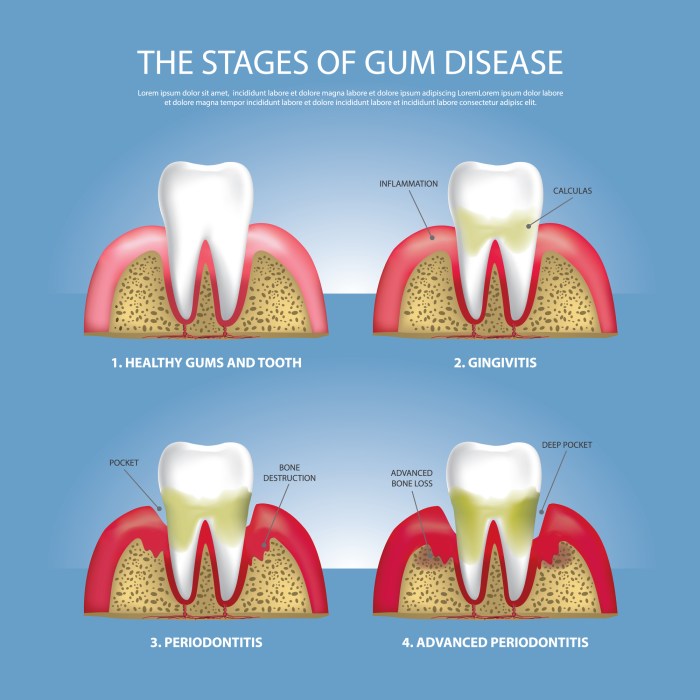
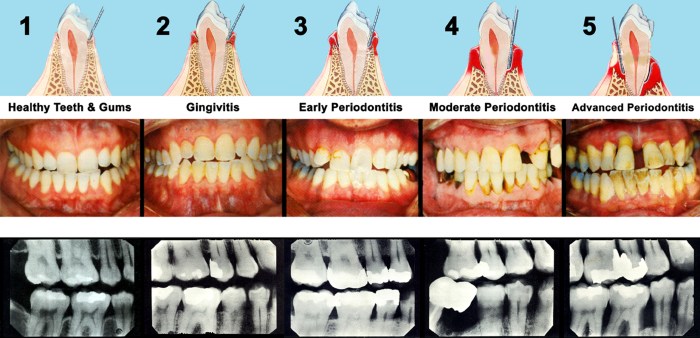
Gum disease, also known as periodontal disease, is a common oral health condition that affects the tissues surrounding the teeth. It is primarily caused by the buildup of plaque, a sticky film of bacteria that forms on the teeth.
Common Causes of Gum Disease
- Poor oral hygiene practices, such as infrequent brushing and flossing.
- Smoking and tobacco use, which can weaken the immune system and make it harder for the body to fight off infections.
- Poor nutrition, which can compromise the body’s ability to heal and maintain healthy gums.
Symptoms of Gum Disease
- Bleeding gums when brushing or flossing.
- Swollen, red, or tender gums.
- Receding gums or changes in the way teeth fit together when biting.
Potential Consequences of Untreated Gum Disease
- Tooth loss due to damage to the supporting structures of the teeth.
- Increased risk of other health conditions such as heart disease and diabetes.
- Chronic bad breath and persistent mouth sores.
Prevention of Gum Disease
Preventing gum disease is essential for maintaining good oral health and overall well-being. By following proper oral hygiene practices, attending regular dental check-ups, and maintaining a balanced diet, you can significantly reduce the risk of developing gum disease.
Proper Oral Hygiene
Proper oral hygiene is crucial in preventing gum disease. Make sure to brush your teeth twice a day for at least two minutes each time. Use a fluoride toothpaste and don’t forget to floss daily to remove plaque and food particles between your teeth.
Regular Dental Check-ups
Regular dental check-ups play a vital role in preventing gum disease. Dentists can detect early signs of gum disease and provide necessary treatments to prevent it from progressing. Schedule dental visits at least twice a year for professional cleanings and comprehensive oral exams.
Balanced Diet
A balanced diet is essential for maintaining healthy gums. Include plenty of fruits and vegetables in your diet, as they are rich in vitamins and minerals that promote gum health. Limit sugary and acidic foods, as they can contribute to plaque buildup and increase the risk of gum disease.
Treatment Options for Gum Disease
When it comes to treating gum disease, there are several options available depending on the severity of the condition. Common treatments include scaling and root planing, which are non-surgical procedures aimed at removing plaque and tartar from the teeth and roots.
Scaling and Root Planing
Scaling involves removing plaque and tartar from the surface of the teeth and below the gumline. Root planing, on the other hand, smoothens the roots to help the gums reattach to the teeth. This procedure is usually done under local anesthesia to ensure patient comfort.
Surgical Options
In more advanced cases of gum disease, surgical intervention may be necessary. Procedures such as flap surgery, bone or tissue grafts, and guided tissue regeneration can help treat severe gum disease and restore oral health. These surgeries are usually performed by a periodontist, a specialist in gum disease treatment.
Post-Treatment Care
Following any gum disease treatment, it is crucial to maintain good oral hygiene practices to prevent the recurrence of the condition. This includes regular brushing and flossing, as well as attending follow-up appointments with your dentist or periodontist for monitoring and further treatment if needed.
In conclusion, Dental Care for Gum Disease is essential for overall oral health. By following preventive measures, seeking timely treatment, and adopting healthy habits, individuals can ensure their gums remain in top condition.
Question Bank
What are the early signs of gum disease?
Early signs of gum disease include red, swollen, or bleeding gums, persistent bad breath, and receding gums.
How often should I have a dental check-up to prevent gum disease?
It is recommended to have a dental check-up every six months to prevent gum disease and maintain oral health.
Can untreated gum disease lead to serious complications?
Untreated gum disease can lead to tooth loss, bone damage, and even increase the risk of heart disease.


