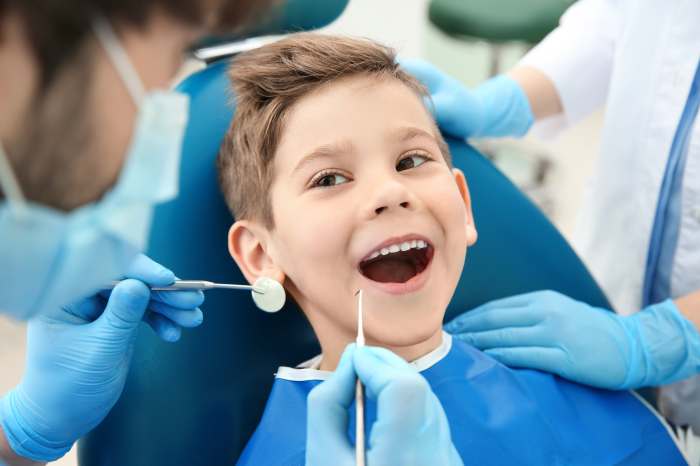
Exploring the world of Dental Care for Children, this comprehensive guide delves into the significance of oral health for kids, common issues they may face, tips for maintenance, pediatric treatments, and the role of diet in promoting healthy teeth and gums.
Importance of Dental Care for Children
Ensuring proper dental care for children is essential for their overall health and well-being. Good oral hygiene habits established in childhood can have a lasting impact on their development and future oral health.
Impact on Overall Health
Studies have shown that poor oral health in children can lead to various health issues, including gum disease, infections, and even systemic conditions such as diabetes and heart disease. By teaching children the importance of regular brushing, flossing, and dental check-ups, we can help prevent these serious health problems.
Developmental Benefits
Early dental care not only prevents tooth decay and cavities but also promotes proper alignment of teeth and jaw development. This can prevent the need for extensive orthodontic treatment later in life and ensure a healthy smile for years to come.
Statistics on Early Dental Care
- According to the American Academy of Pediatric Dentistry, children should have their first dental visit by age one or within six months of their first tooth erupting.
- Research has shown that children who receive regular dental care are less likely to miss school due to dental issues and have better overall academic performance.
- Preventive dental care for children has been linked to lower healthcare costs in the long run, as early interventions can help avoid costly dental procedures in the future.
Common Dental Issues in Children
Children are susceptible to a variety of dental problems that can impact their oral health. Understanding the common dental issues in children is crucial for parents and caregivers to ensure proper care and prevention.
Cavities
Cavities, also known as dental caries, are one of the most prevalent dental issues in children. They are caused by the accumulation of plaque on the teeth, which leads to the erosion of enamel and the formation of small holes. Poor oral hygiene, sugary foods, and lack of fluoride are common factors contributing to cavities in children.
Gum Disease
Gum disease, such as gingivitis, can also affect children. It is often caused by poor brushing and flossing habits, leading to the inflammation of the gums. If left untreated, gum disease can progress to more severe forms, impacting the overall health of the child’s mouth.
Tooth Decay
Tooth decay is another prevalent issue in children, characterized by the breakdown of tooth structure due to acid attacks from bacteria. Consuming sugary and acidic foods, inadequate brushing, and lack of fluoride can contribute to tooth decay in children.
Preventive Measures
- Encourage regular brushing and flossing to maintain good oral hygiene.
- Limit sugary snacks and drinks to reduce the risk of cavities.
- Schedule routine dental check-ups and cleanings to detect and prevent dental issues early.
- Ensure children receive an adequate amount of fluoride through toothpaste or treatments.
- Educate children on the importance of oral health and proper dental care practices.
Tips for Maintaining Children’s Oral Health
Ensuring good oral health habits in children is crucial for their overall well-being. Here are some tips to help maintain your child’s oral health:
A Daily Oral Hygiene Routine Suitable for Children
Teach your child the importance of brushing their teeth at least twice a day for two minutes each time. Use a soft-bristled toothbrush and fluoride toothpaste suitable for their age. Encourage them to floss daily to remove food particles and plaque between teeth.
Importance of Regular Dental Check-ups and Cleanings for Kids
Regular dental check-ups are essential to detect any oral health issues early on. Schedule dental visits every six months for professional cleanings and examinations. This helps prevent cavities, gum disease, and other dental problems.
Tips on How to Encourage Children to Take Care of Their Teeth and Gums
- Lead by example by maintaining your own oral hygiene routine and visiting the dentist regularly.
- Make brushing teeth fun by using colorful toothbrushes, flavored toothpaste, or playing music while brushing.
- Reward your child for good oral hygiene habits with stickers, praise, or small treats.
- Explain the importance of oral health in a simple and positive way to help them understand why it’s essential.
- Limit sugary snacks and drinks to prevent tooth decay and encourage healthy eating habits.
Pediatric Dental Treatments and Procedures
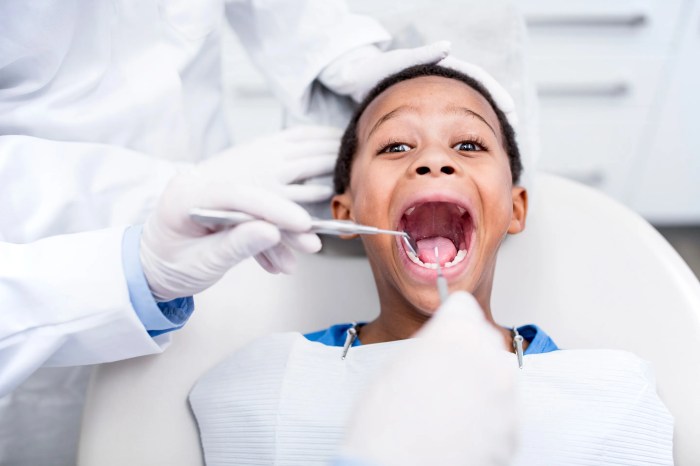
When it comes to pediatric dental treatments and procedures, there are several common procedures that are performed on children to maintain their oral health and address any dental issues that may arise.
Fillings and Sealants
- Fillings: If a child has a cavity, the dentist may need to perform a filling. This involves removing the decayed part of the tooth and filling the space with a material such as composite resin or amalgam.
- Sealants: Sealants are thin protective coatings applied to the chewing surfaces of the back teeth to prevent decay. They are often recommended for children who are at a higher risk of developing cavities.
Pediatric Dental Exam Process
- During a pediatric dental exam, the dentist will examine the child’s teeth, gums, and mouth to check for any signs of decay, cavities, or other issues.
- The dentist may also take X-rays to get a closer look at the teeth and jaw.
- Parents can expect the dentist to discuss the child’s oral hygiene habits, offer guidance on proper brushing and flossing techniques, and provide recommendations for maintaining good oral health.
Anesthesia Options for Children
- Local Anesthesia: This type of anesthesia numbs only a specific area of the mouth where the procedure will be done, allowing the child to remain awake and alert.
- Sedation: In some cases, sedation may be used to help children relax during dental procedures. This can range from minimal sedation (awake but relaxed) to general anesthesia (unconscious).
- It is important for parents to discuss anesthesia options with the dentist and anesthesiologist to determine the best approach for their child based on the procedure being performed and the child’s individual needs.
Importance of Diet in Children’s Dental Health
Proper nutrition plays a crucial role in maintaining children’s oral health. A well-balanced diet not only supports their overall health but also contributes to strong teeth and gums.
Foods that Promote Healthy Teeth and Gums
- Eating crunchy fruits and vegetables like apples and carrots can help clean teeth naturally and stimulate saliva production, which aids in neutralizing acids.
- Dairy products such as milk, cheese, and yogurt are rich in calcium and phosphates that strengthen tooth enamel.
- Lean proteins like chicken, fish, and nuts provide essential nutrients for gum tissue health.
Effects of Sugary Snacks and Drinks on Children’s Dental Health
- Consuming sugary snacks and drinks can lead to the formation of plaque, which can cause tooth decay and cavities.
- Sugary treats create an acidic environment in the mouth, promoting the growth of harmful bacteria that attack tooth enamel.
- Frequent intake of sugary foods can also increase the risk of gum disease and other dental issues in children.
In conclusion, prioritizing dental care for children is essential for their overall well-being and development. By following the tips and guidance provided in this guide, parents can ensure their kids maintain optimal oral health for a lifetime of bright smiles.
Clarifying Questions
What age should children start seeing a dentist?
Children should have their first dental visit by their first birthday or when their first tooth appears.
How often should children have dental check-ups?
Children should visit the dentist every six months for regular check-ups and cleanings.
Are baby teeth important to care for?
Yes, baby teeth play a crucial role in guiding permanent teeth into the correct position.
What are the benefits of dental sealants for children?
Dental sealants help protect children’s teeth from decay by sealing the grooves on the chewing surfaces.


